
Music,
Stories &
Knowledge Hub
Deep dives into Indian classical music, ragas, instruments and music education — written by Dr. Vinit Kumar, Bharat Kala Ratna awardee.
📌 Latest Article
All Blogs
Music Education Journal · Path of Music College Music, Stories & Knowledge Hub Deep dives into Indian classical music, ragas, instruments…
Indian Classical Singing Styles: From Tappa to Lok-Goth 🎶
Indian classical music is a treasure trove of vocal expressions that have evolved over centuries….
Comprehensive Raga Descriptions: GAURI, CHANDRA, JAIT, JOG & More
This guide provides detailed descriptions of several ragas from the Indian classical music…
Indian Notation Method
INDIAN NOTATION METHOD IN MUSIC When a poem or song is played with the speed with its swaras and…
Search
No Results Found
The page you requested could not be found. Try refining your search, or use the navigation above to locate the post.
“One good thing about music, when it hits you, you feel no pain.”
— Bob Marley · Shared by Path of Music College, Gurgaon since 1996
What Would You Like to Learn?
Browse our articles by topic — from ancient ragas to modern music theory.
🎵
🎼
📚
🎸
🎹
🙏
🎓
🏆
Learn from India’s Most Awarded Music Educator
Join Path of Music College — 30+ years · 20,000+ students · Gurgaon, Delhi & Online. First class is always free.
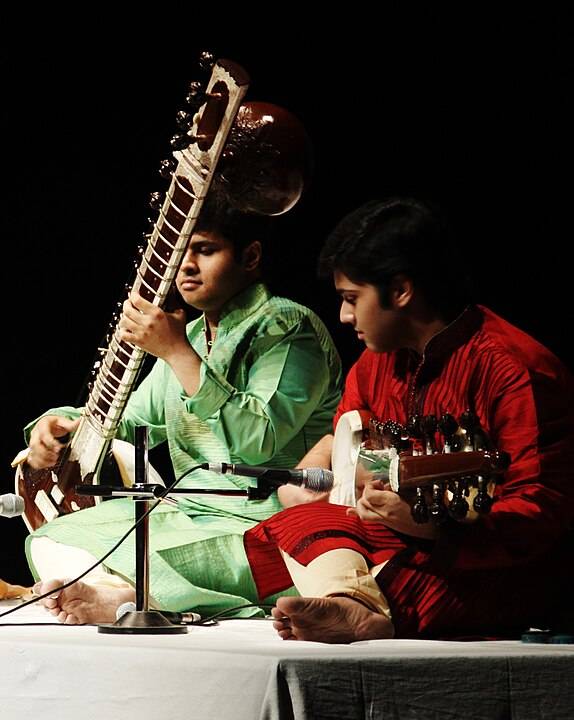
Detailed Raga Descriptions: JOGKAUNS, JAUNPURI, ZHINJHOT, TILAKKAMOD, TILANG, BREAK, COURTIER, COURT CANADA, DHANASHREE, DHANI RAAG
A comprehensive guide covering detailed raga descriptions including JOGKAUNS, JAUNPURI, ZHINJHOT, TILAKKAMOD, TILANG, BREAK, COURTIER, COURT CANADA, DHANASHREE, DHANI RAAG – complete with forms, notation patterns, and performance timings.
Description of 145 Ragas (From First Year to Eighth Year) 🎵
This comprehensive guide describes 145 ragas, detailing their forms, ascent–descent patterns, and unique characteristics, offering an invaluable resource for music students and connoisseurs.
Indian Notation System: Tracing the Evolution of Musical Symbols 🎼
Explore how ancient Indian musical notation evolved—from early sargam symbols to the refined systems by Pandit Vishnu-Narayan Bhatkhande and Pandit Vishnu Digambar Paluskar—shaping the way music is learned and preserved.

SANGEET KA SWAR PAKSHYA (Music Side)
SANGEET KA SWAR PAKSHYA (Music Side) Sangeet Sangeet is a combining form of song, dance and instruments. In reality, these three trades singing, dancing and playing instruments are totally different from each other. Though these are different from one another,…
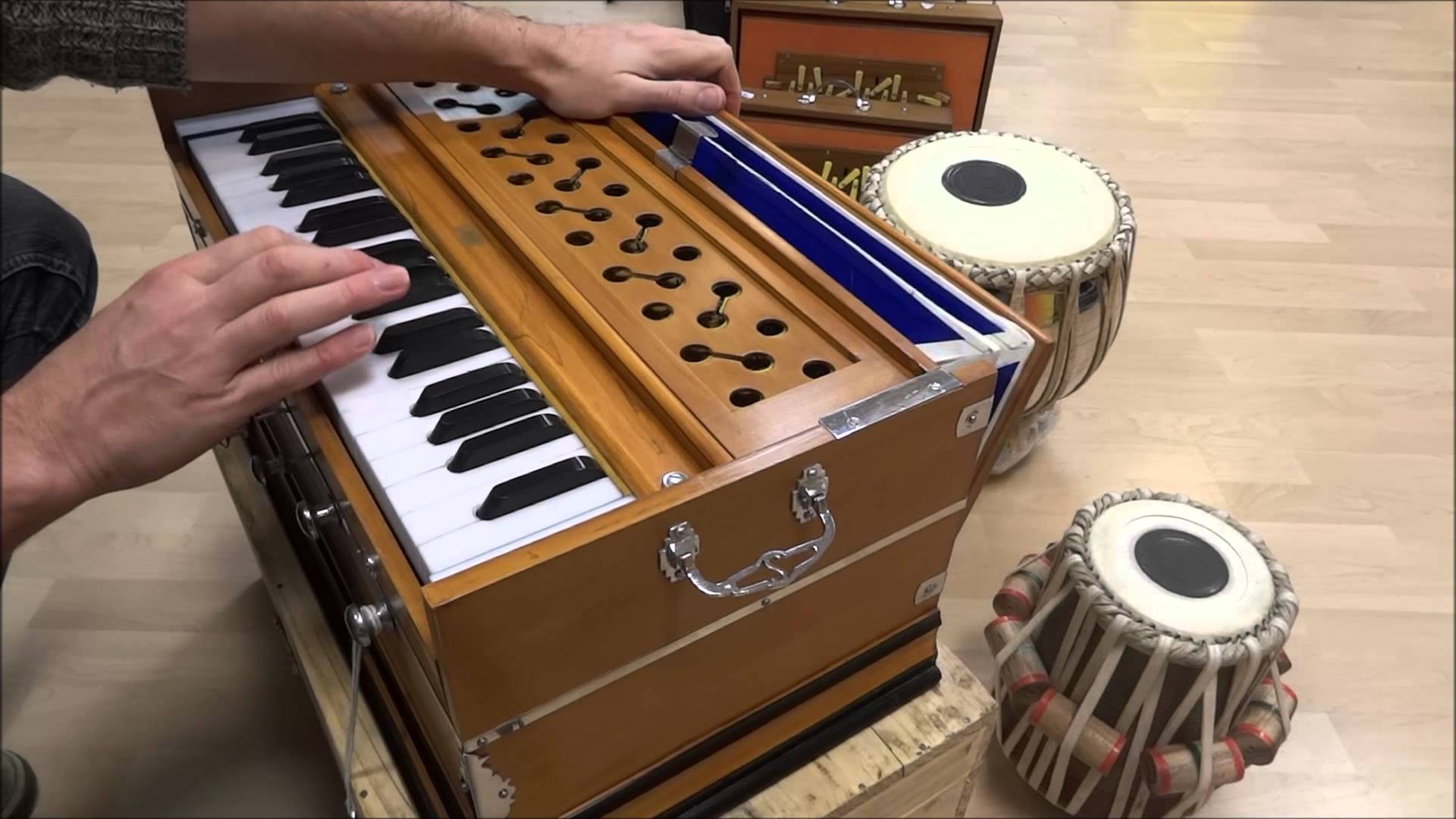
Harmonium
A harmonium is a type of organ that uses air pushed through reeds to create sound. It is popular in Indian music and is often described as sounding like an accordion. Although it is most commonly used in Eastern music, the harmonium was developed in Paris and brought…
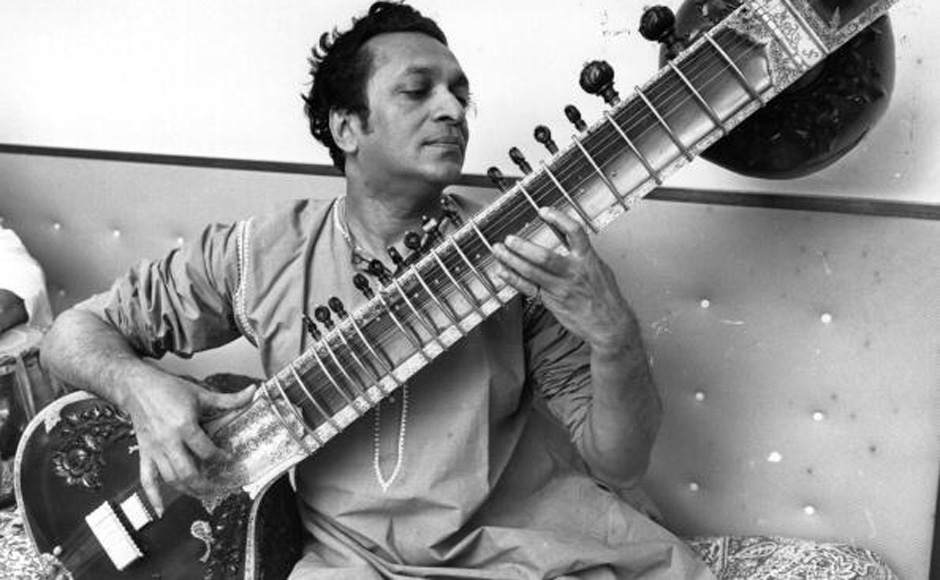
History of Sitar
Among Indian classical musical instruments, the sitar is perhaps the best known. What’s not known is its exact origin. The sitar has been in existence for thousands of years in one form or another, but there are several theories as to who invented it. Most people…

Tabla
The Indian tabla, a two-piece percussion instrument, is the principal rhythmic accompaniment to most North Indian classical (namely khyal) and light music. It is said to have its origin in the two-faced drum called mridangam (used in South Indian music) and the…
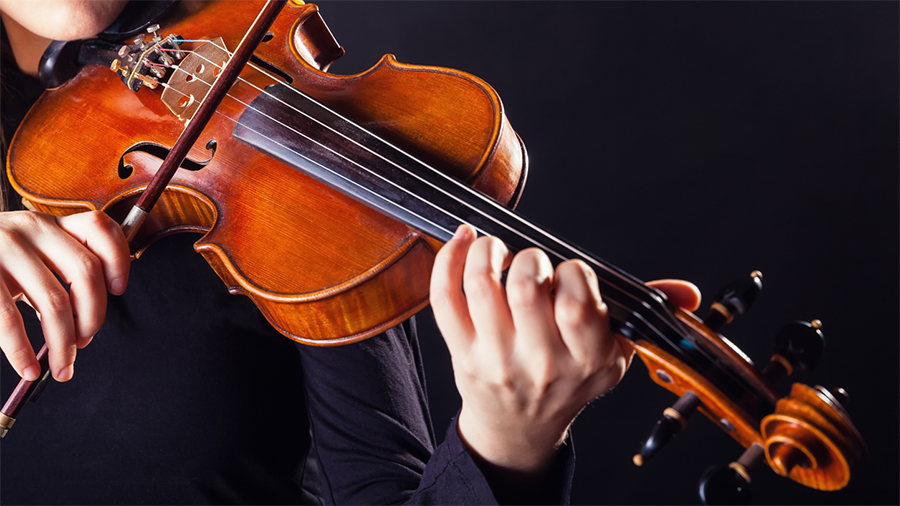
Violin
The violin, the most commonly used member of the modern string family, is the highest-sounding instrument of that group. Its four strings are stretched over a high arched bridge that permits the playing of one or two strings at a time, as well as the nearly…
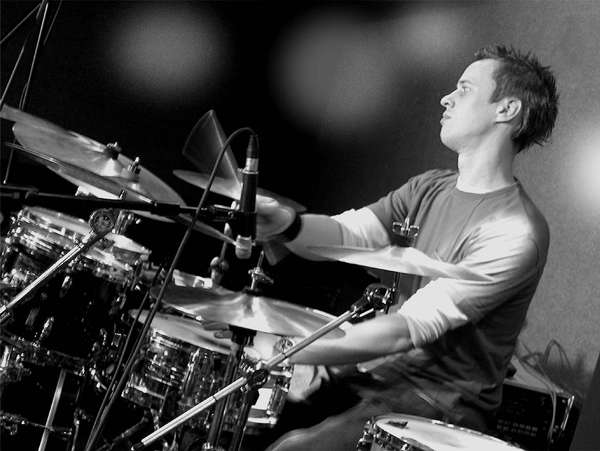
Drums
The standard drum set we know now exists since 1935. It was ‘invented’ in the USA, in New Orleans. It consists of a few different parts. But it took a while before a drum set looked like this one. A lot of different drums have been used in the past. Tribes in Africa…
Subscribe
Join Our Newsletter
**No Spam** Only original content
Book A Class Today!
Playing music makes you more creative
Practising and perfecting a piece of music does wonders for the creative side of your brain. No matter how much a composer annotates their composition, they cannot fully express how a piece of music should be played.